
Building a repeatable AI content pipeline for a wellness app at scale
U4RIA is a lifestyle app that uses AI to generate meditations, music, recipes, and daily affirmations at scale. While AI makes asset creation fast, keeping a consistent brand look and feel across hundreds of pieces of content is a major hurdle. Without a structured workflow, every single output requires the same manual fixing as starting from scratch.
I took lead on designing and running the AI content pipeline, turning brand intent into a reliable system that produced every piece of content the app shipped with.
Maintaining consistency at volume is hard
Generating one-and-done AI assets is straightforward, but keeping a large library of various types of content consistent in visuals and tone is not.
Without a system, the AI outputs drift all over the place and require constant revisions. To solve this, I decided to treat AI like a production line by writing clear instructions, testing what worked best, and turning those successful formulas into steps the team could repeat.
Five stages that made AI outputs reliable at volume
Define intent first
Before opening any tool, I established the communication goal, emotional tone, and format requirements to anchor every output in the core brand direction.
Translate intent into structure
Second, I converted creative direction into structured prompts for Midjourney, Suno, and Kling AI, iterating on the language to keep results steady and predictable.
Generate and evaluate
Third, I produced multiple variations per prompt and selected the ones that hit the right balance of brand alignment, clarity, and quality.
Refine for platform
Fourth, I brought generated assets into Canva to polish composition, pacing, typography, and platform-specific sizing for Instagram, TikTok, and in-app placements.
Manage at scale
Finally, I built an organized tracking system in Airtable to log prompt formulas, ensuring asset sets remained cohesive while leaving room for intentional variety.
Social media posts
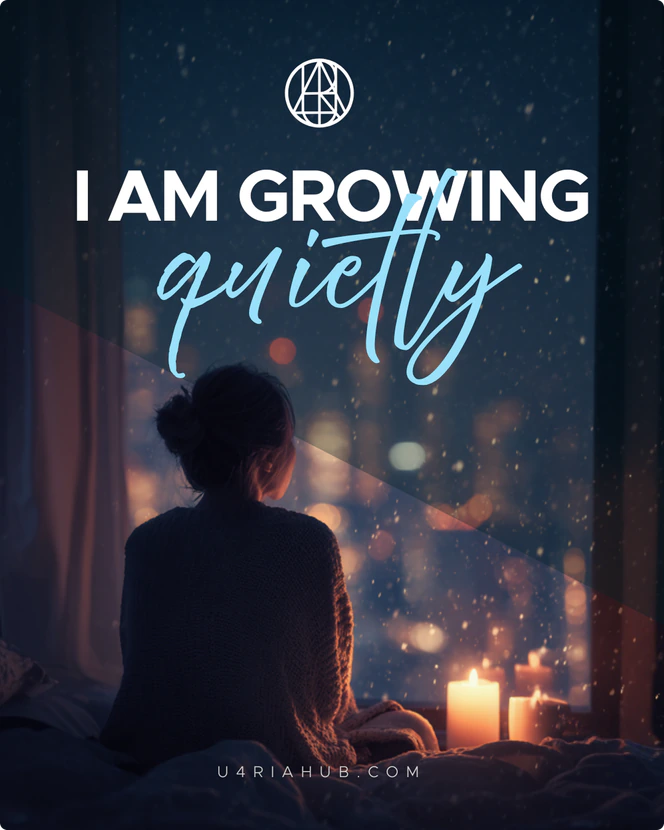
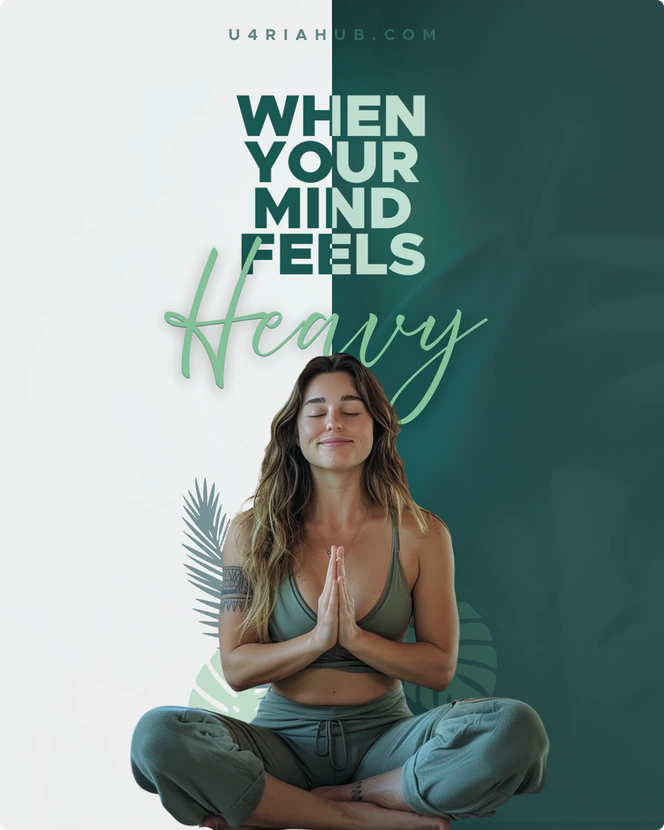
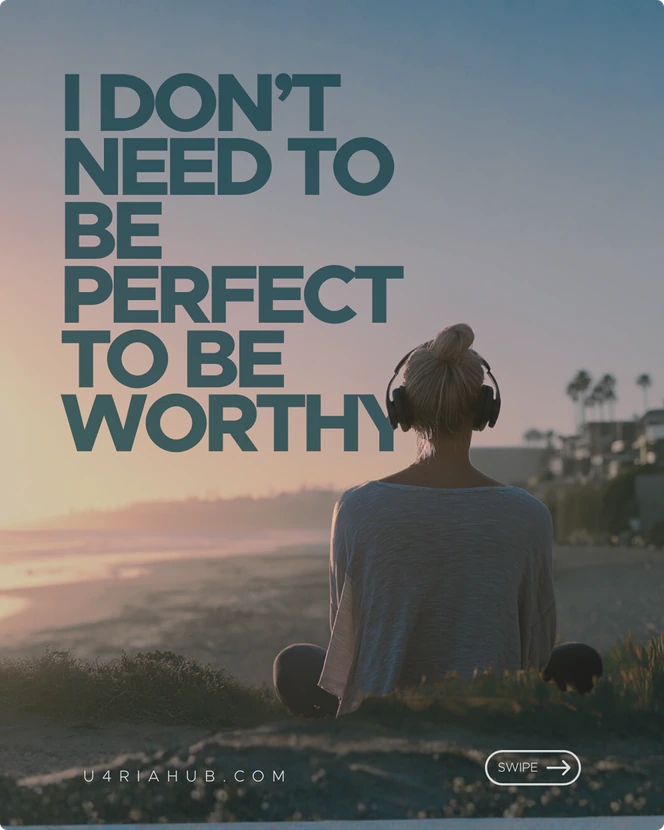
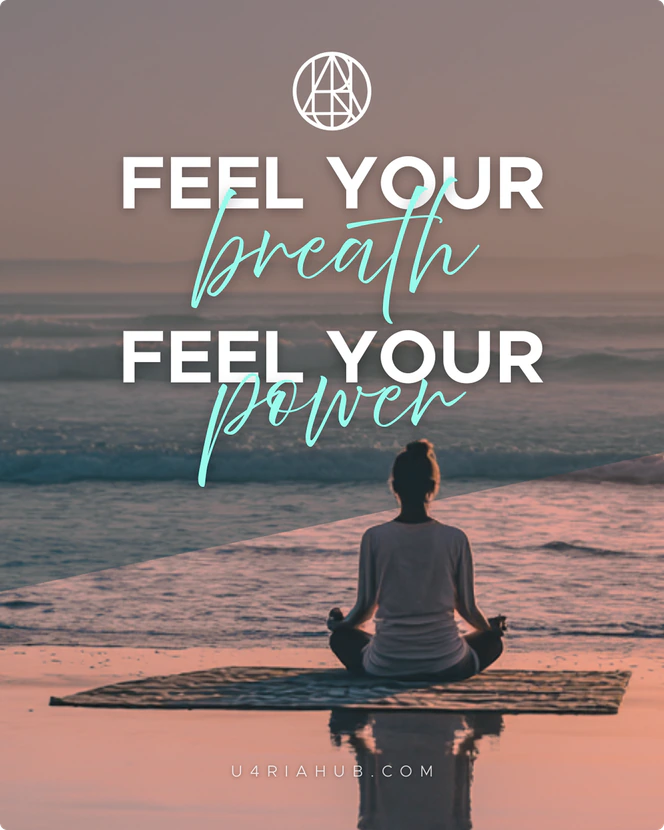
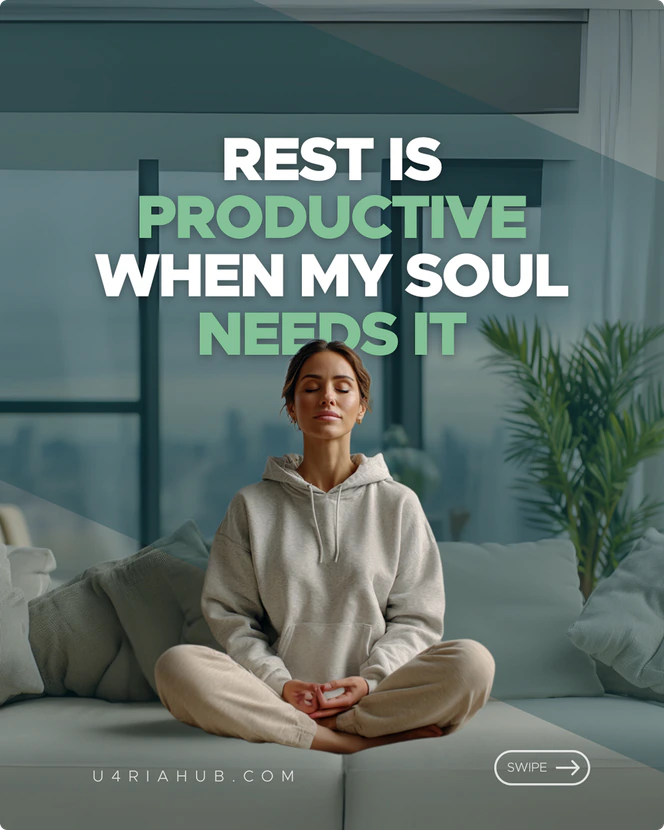
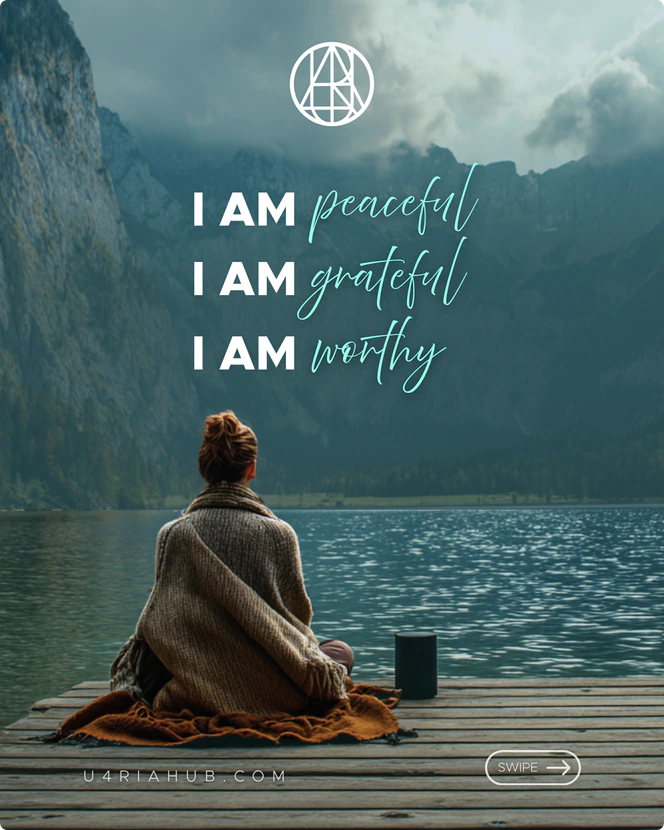
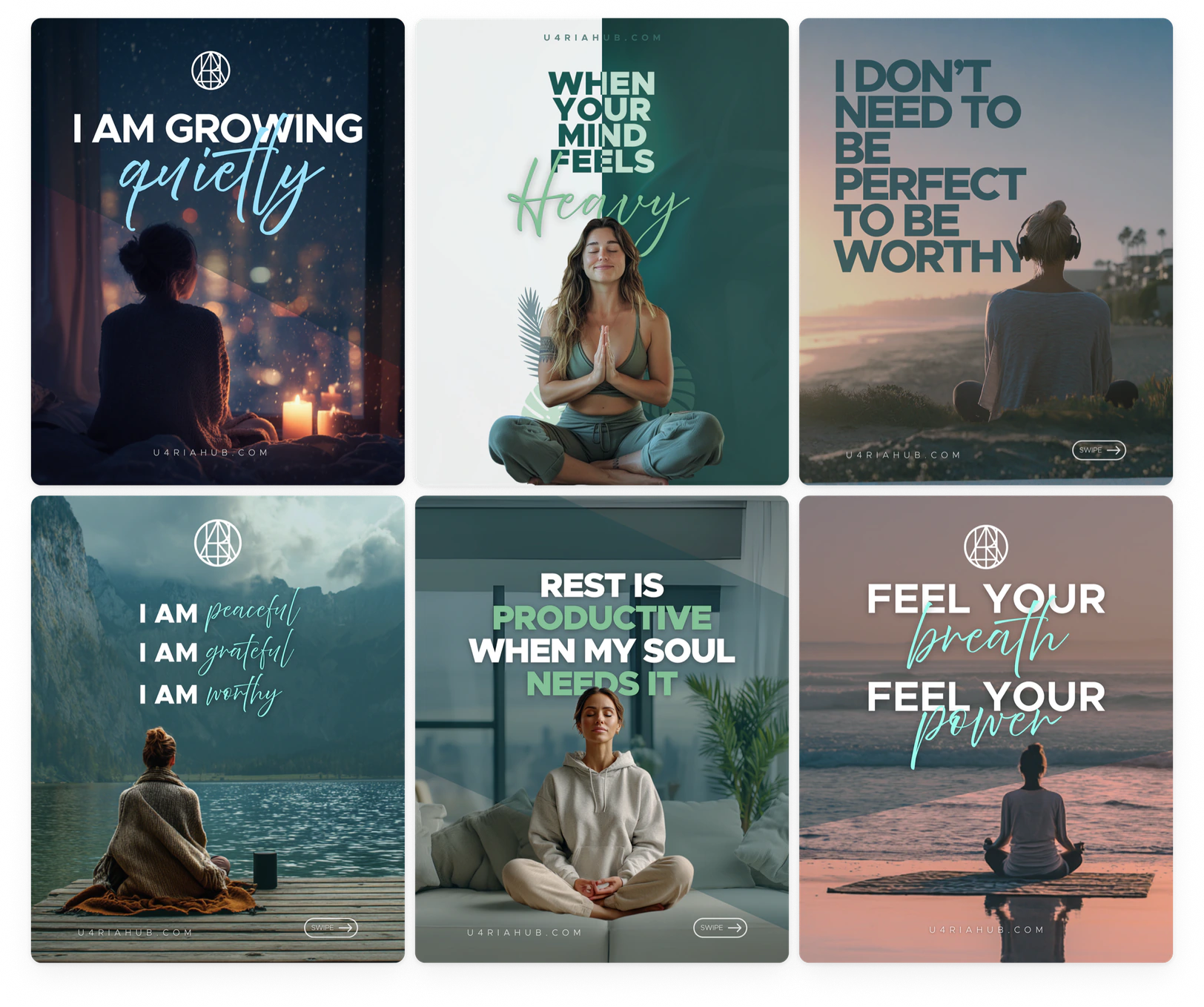
I made base visuals in Midjourney, then brought them into Canva to clean up the text, spacing, and brand frames. The focus was on keeping the text easy to read and making sure it matched U4RIA’s visual style.
Recipe images
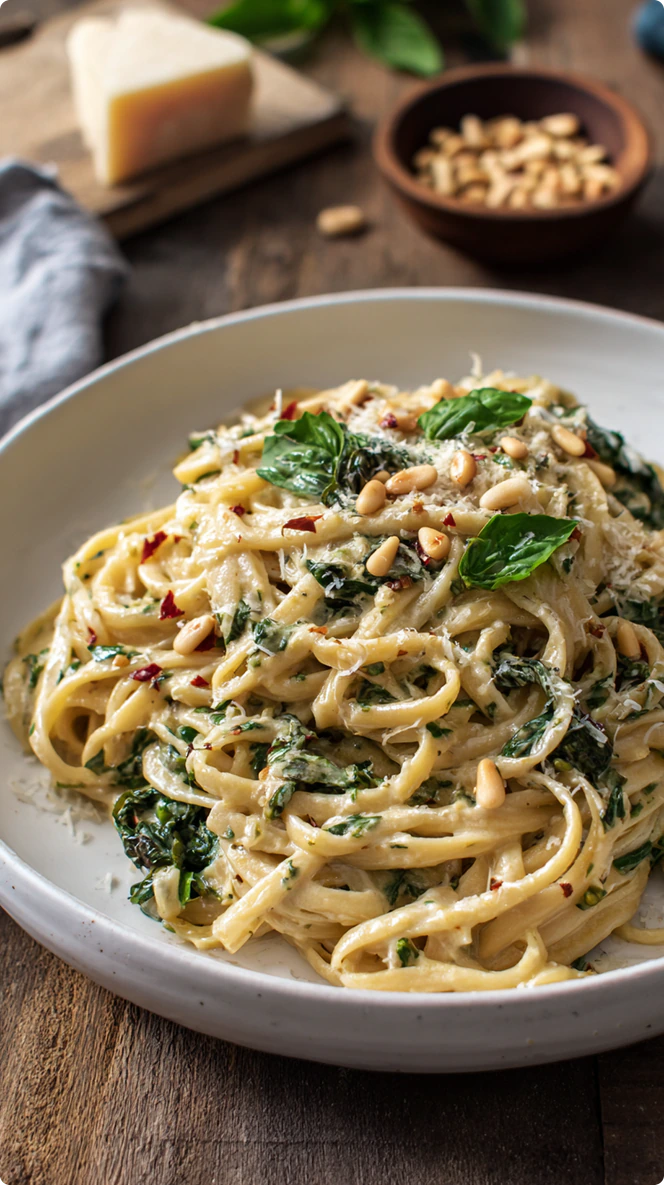
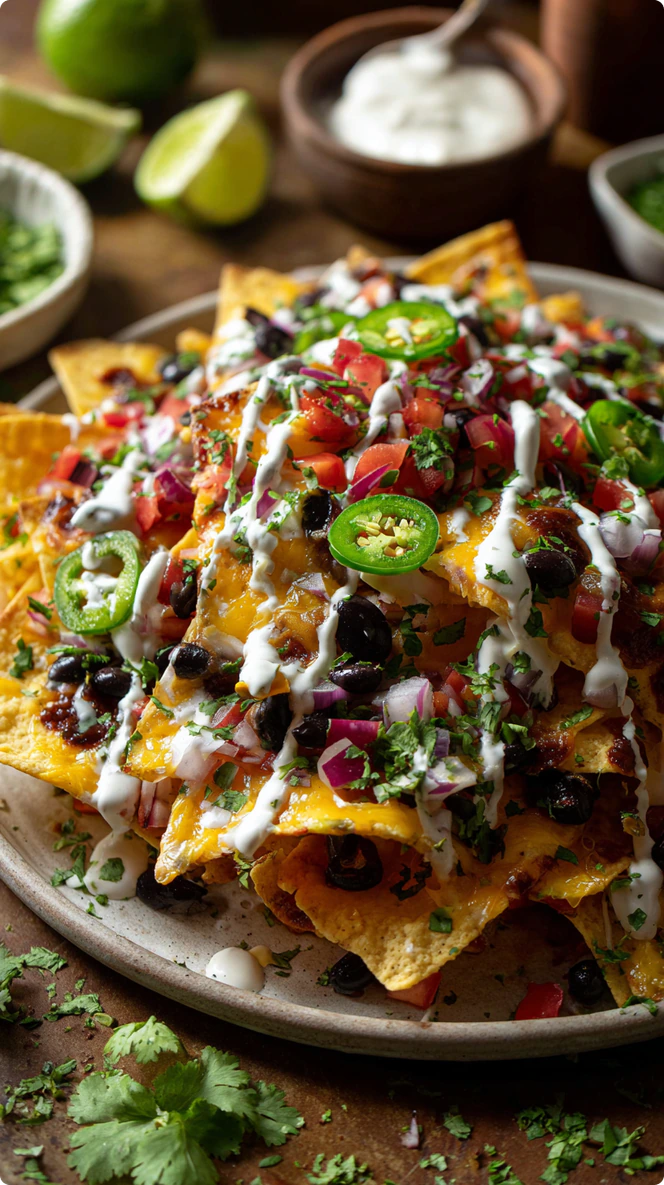
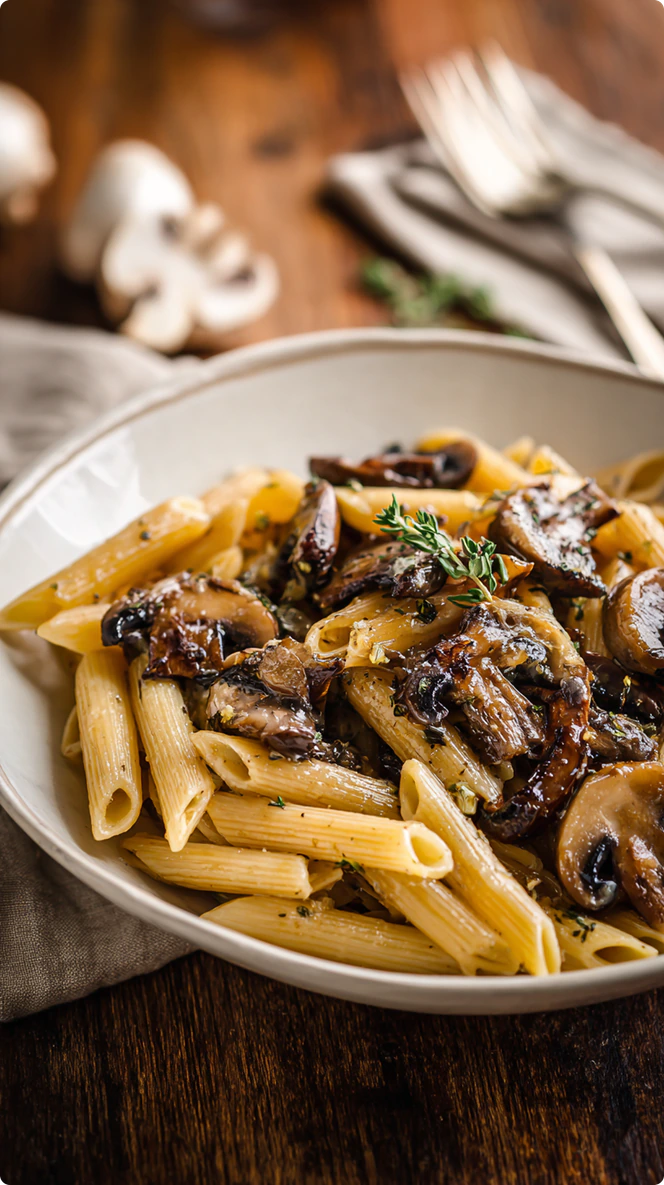
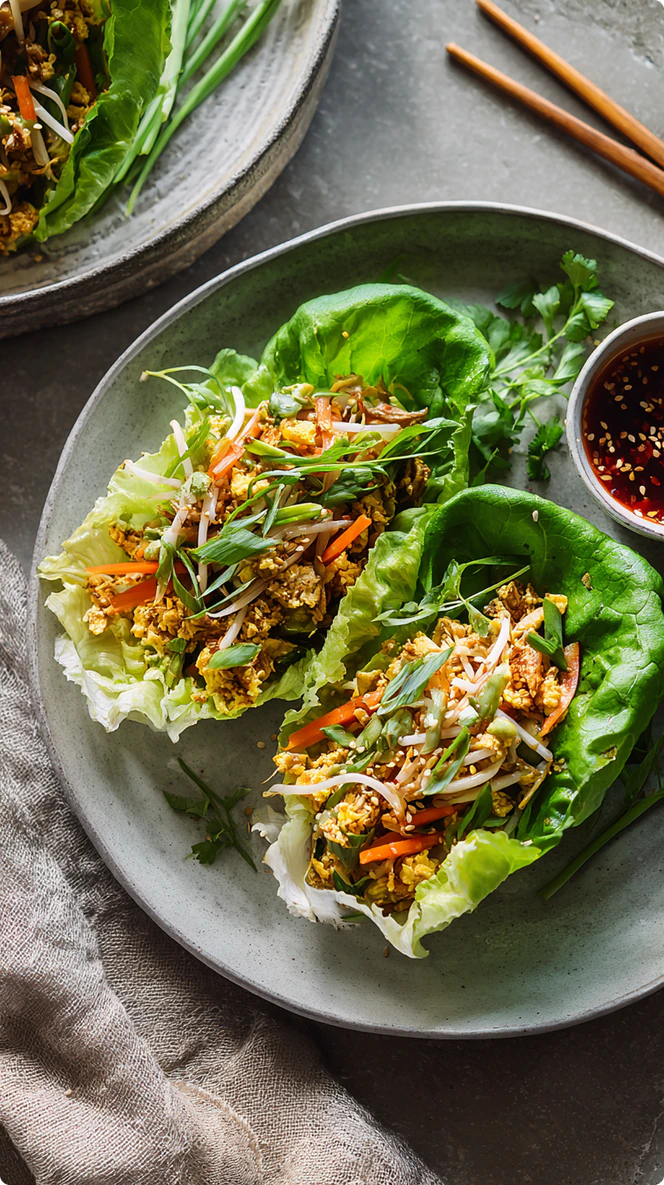
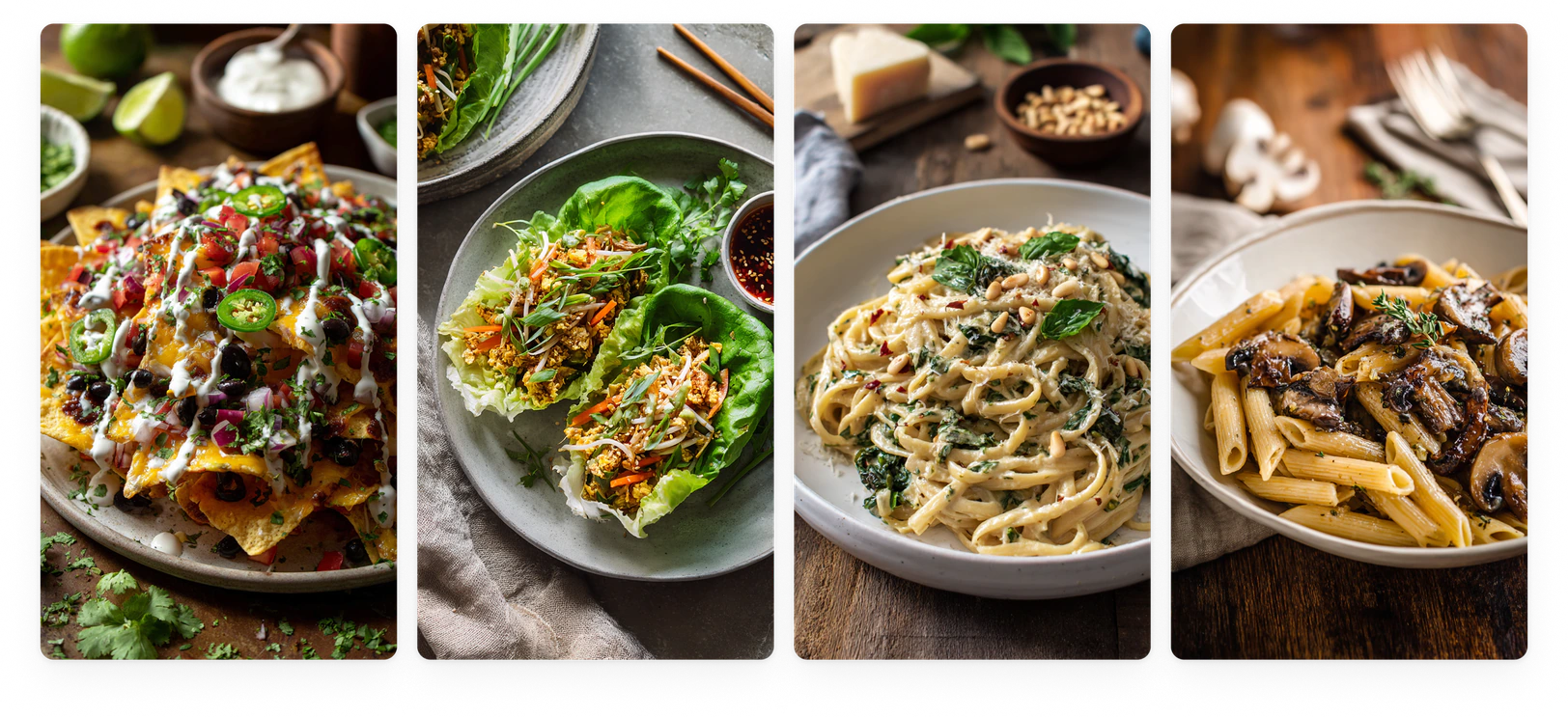
I generated realistic food photos for different categories like grain bowls, smoothies, and light dinners. Here, I built reusable prompt templates in Airtable so the rest of the team could easily make new recipe photos later without messing up the style.
App splash screens
I designed the starting and ending screens by hand in Canva, giving me control over the layout. I then used Kling AI to make the transitions between them.
Audio tracks
I made guided affirmations and background music tracks using Suno. Here, I constantly tested and tweaked the voice tone, speed, and background sounds to match different kinds of mindfulness exercises.
Short-form videos
I put together looping videos for TikTok and Reels by generating scene images in Midjourney, turning them into video clips with Kling AI, and stitching them together in Canva.
What I learned
Specificity is a design constraint
AI works best when your prompts are clear boundaries instead of vague suggestions. When you clearly define the mood, inputs, and rules right at the start, you get fewer variant results and everything moves a lot faster.
AI is an execution layer, not a decision maker
I learned to make creative and strategic decisions before involving AI. Treating AI as a production tool, not a source of direction, resulted in higher-quality, more intentional outputs and maintained creative control throughout.